Why Every DJ Should Own Spotify Playlists in 2026
The smartest DJs are not just spinning records. They are building audience assets that pay whether they play or not.
Get the Free 2-Day Masterclass →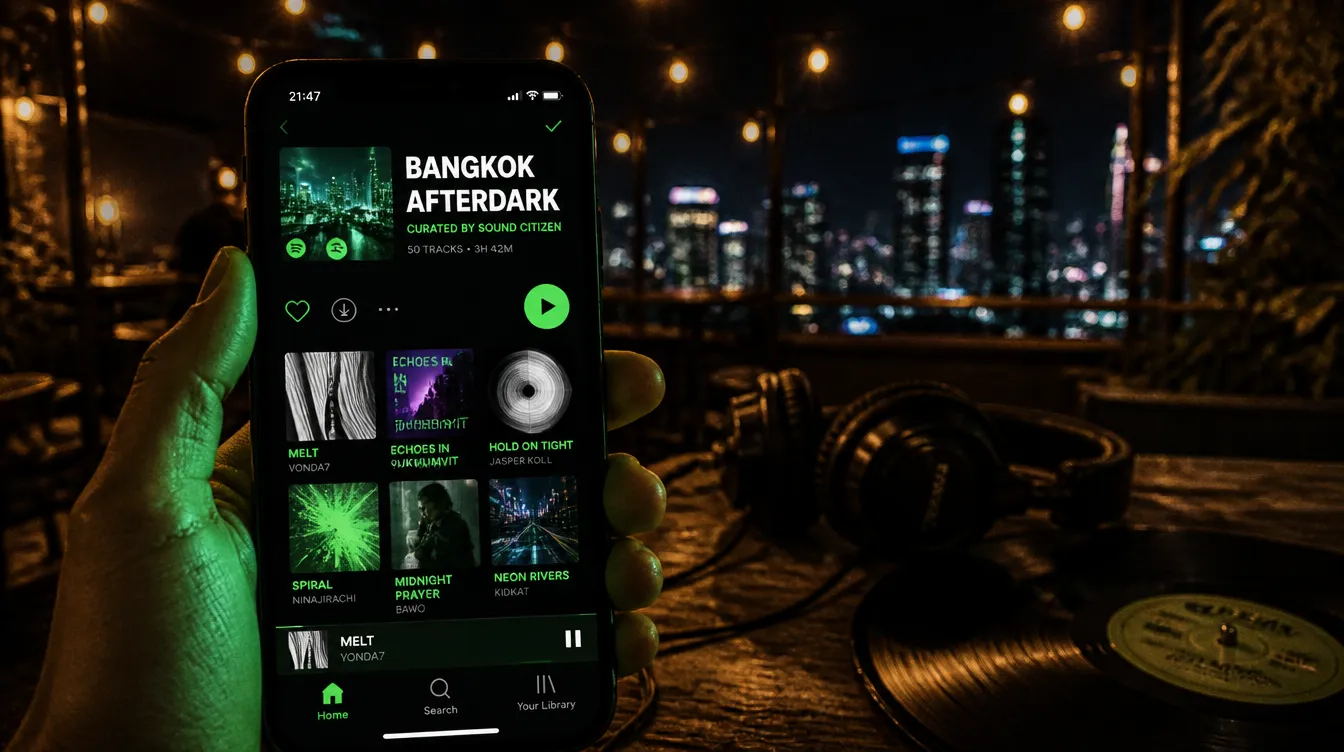
The shovels of the streaming age are digital. And the DJs who build them first win twice.
The Shovels Are Digital Now
AI tools can now produce a finished track in under ten minutes. Suno, Udio, and a growing list of generators are flooding Spotify with new releases every day. The streaming catalog passed 100 million tracks in 2024. By the end of 2026, it will be much larger.
More music means more noise. And more noise means one thing: discovery becomes the bottleneck.
This is a gold rush. And in every gold rush, the people who sell the shovels make the most consistent money. In the streaming age, the shovels are playlists. The people who control where listeners find new music hold real power — and real income.
Most DJs have not noticed this shift yet. They trade hours for gig fees and hope the bookings keep coming. But a growing group of working DJs — from Bangkok to Berlin to Bogotá — are quietly building something different. They are building playlists. Not as a hobby. As a business asset.
This article explains why that move makes sense. No hype. No get-rich-quick promises. Just the business logic behind owning a playlist as a working DJ in 2026.
You Only Get Paid When You Play
The traditional DJ business model is simple. You get booked. You show up. You play. You get paid. Then the cycle starts again.
It works until it does not. Cancel a gig because of illness, and the income disappears. Lose a residency, and the monthly floor drops. Move to a new city, and you start from zero. Travel costs eat into fees. Promoters negotiate rates down.
This is what business people call "trading time for money." Every dollar requires your physical presence on the night. There is no leverage. There is no residual.
Some DJs add production income — selling beats, releasing tracks, collecting royalties. That helps. But royalties from a single release are small and unpredictable. Most independent tracks earn less than $100 in their first year on Spotify.
The question is: what if a DJ could build something that earns money without being physically present? Something that grows over time instead of resetting to zero every Monday morning?
That is where playlists come in.
What "Owning a Playlist" Actually Means
A playlist is not a mixtape. It is not a tracklist you share with friends. On Spotify, a user-curated playlist is a living channel. It has followers. It has a name, a cover image, a description. Spotify shows it in search results. Listeners save it. The algorithm pushes it.
When we say "own a playlist," we mean this: you create it, you control what goes in, and you grow its audience over time. You decide the genre, the vibe, the update schedule. You choose which tracks stay and which rotate out. It is your editorial product.
The followers of that playlist are your audience. Not Spotify's audience. Yours. They follow because they trust your taste. That trust is the foundation of every revenue stream that comes later.
A playlist with 5,000 followers is a small but real audience asset. A playlist with 25,000 followers is a serious one. Some independent curators run playlists with 100,000 or more followers — all built organically or through smart promotion, not through label deals.
The key word is "asset." You build it once. It keeps working.
Asset vs. Income: The Shift That Changes Everything
Here is the mental model that separates DJs who plateau from DJs who scale.
Income is what you earn tonight. A gig fee. A one-time payment. When the night ends, the earning stops.
An asset is something that generates value over time without your constant presence. A rental property earns rent while you sleep. A YouTube channel earns ad revenue on old videos. A playlist earns submission fees, streams, and brand deals whether you played a gig last weekend or not.
Consider two DJs. Both are talented. Both play great sets.
| Income Source | DJ A (Gigs Only) | DJ B (Gigs + Playlist) |
|---|---|---|
| Gig fees (4 gigs/month × $300) | $1,200 | $1,200 |
| SubmitHub reviews (20K-follower playlist) | $0 | $150 |
| Streaming royalties (own tracks in playlist) | $0 | $80 |
| Label review retainer | $0 | $200 |
| Monthly Total | $1,200 | $1,630 |
DJ B's monthly total: $1,630. More importantly, the $430 from the playlist arrived without DJ B leaving the house. It arrived because of an asset that keeps growing.
Over 12 months, DJ B's playlist income compounds. More followers mean more submission requests. More streams. Bigger brand deal offers. The gap between DJ A and DJ B widens every quarter.
The numbers above are conservative. Our Curator Earnings Index tracks real ranges across four tiers. Working curators with playlists of 25,000 to 50,000 followers typically earn $1,500 to $4,000 per month from playlist income alone.
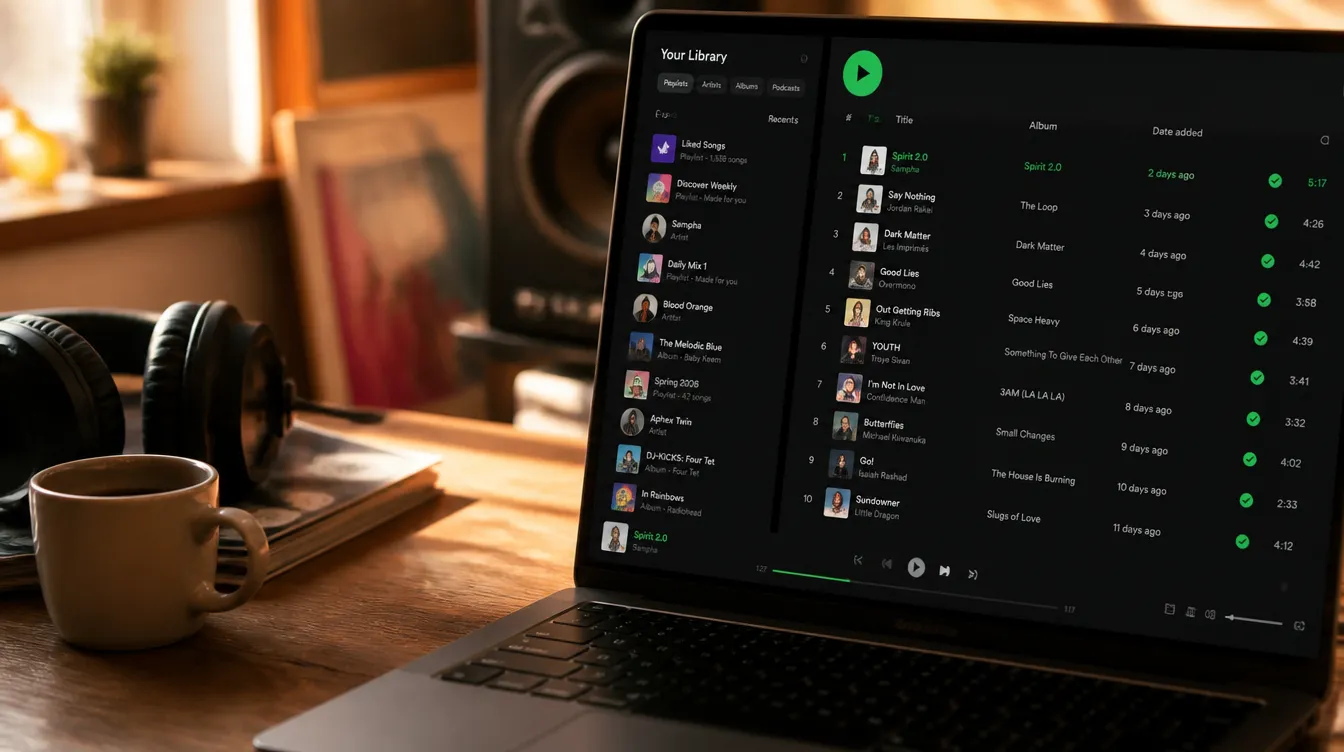
The playlist asset compounds. Every month of curation makes the next month more valuable.
The 4 Ways a Playlist Pays You
A healthy playlist generates income from four main channels. Here is the short version. For the full breakdown with real numbers and examples, see our deep dive: How Playlist Curators Actually Make Money in 2026.
1. Submission Platform Reviews
Platforms like SubmitHub (a website where artists pay curators a small fee to review their tracks) and PlaylistPush connect artists with curators. Artists pay $1 to $4 per submission for a listen and honest feedback. Curators earn that fee for every track they review — whether they add the track to the playlist or not. A curator reviewing 20 tracks per day can earn $600 to $2,000 per month from this stream alone.
2. Streaming Royalties from Your Own Music
When a DJ places their own tracks on their own playlists, those tracks collect streams. A track sitting in a well-followed playlist can pull 3,000 to 8,000 plays per month. Across multiple tracks and multiple playlists over a full year, the cumulative royalty adds up to $2,000 to $12,000 annually.
3. Brand Deals and Sponsored Descriptions
Brands in the music space — headphone companies, festival promoters, music software tools — pay curators to feature their name or product in a playlist description. Rates depend on follower count. A playlist with 25,000 followers might earn $100 to $500 per sponsored description per month.
4. Label Retainers (Modern Radio Promoter Contracts)
Independent labels pay curators a monthly fee to review and consider their releases. This is review-based, not placement-based. The curator is paid for their time, their listening ear, and their editorial judgment. Not for any guaranteed outcome on a track. This is the same model used by SubmitHub at the per-review level, scaled into a monthly relationship. Retainers range from $200 to $2,000 per month depending on playlist reach and genre authority.
Why DJs Have an Unfair Advantage in Curation
Most people who try to build a Spotify playlist start from scratch. They pick a genre they like. They search for tracks. They guess what works together. They learn by trial and error.
DJs skip all of that.
A working DJ already has the one thing that takes years to develop: taste. Genre intuition. The ability to hear a track for ten seconds and know if it fits a mood, a tempo, a room. That skill is the foundation of great curation. And DJs have it before they ever create a playlist.
DJs also have something else: an audience connection. Fans who come to their shows. Followers on Instagram or SoundCloud. People who already trust their music selections. That trust transfers directly to a playlist. "Follow my playlist" is an easy ask when someone already dances to your sets every Friday.
And DJs understand flow. They know that a playlist is not a random collection of songs. It has an arc, a tempo curve, a vibe progression. That understanding creates a playlist that people actually listen to from start to finish — not just shuffle and skip. Higher listen-through rates mean Spotify's algorithm pushes the playlist to more people. The DJ advantage compounds.
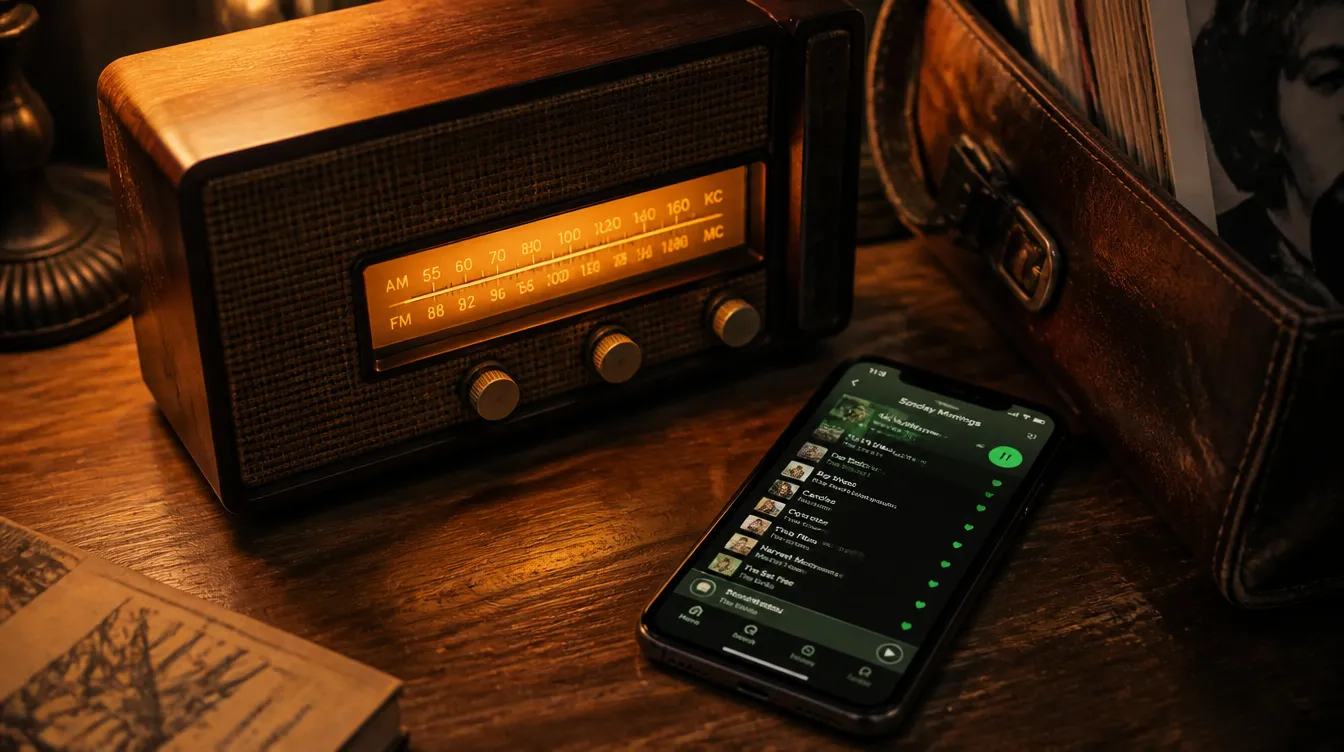
From analog radio to digital playlists. The role of the tastemaker never changed — only the medium.
The Compounding Effect: Why Starting Now Matters
A playlist is not a one-time project. It is a compounding asset.
Month one, you have 200 followers and zero submissions. Month three, you have 1,000 followers and a few artists reaching out. Month six, you are on SubmitHub with a steady flow of paid reviews. Month twelve, labels notice you and offer retainer deals.
Every month you wait is a month of compounding you miss. The playlist you start today will be 12 months older — and 12 months more valuable — one year from now. The one you start next year will always be a year behind.
This matters especially now. AI music is flooding the market with new releases. Artists and labels need curators more than ever. The demand for human ears — real tastemakers who can filter signal from noise — is rising every quarter.
The DJs who build playlists today are positioning themselves as the indie radio of the streaming age. They are the filter between the flood of new music and the listeners who want to hear the best of it. That role pays. And it pays more every year as the catalog grows.
The DJFREEDOM Masterclass: Build Your First Playlist From Zero
If you are a DJ who has been thinking about playlists but has not started yet, we built something for you. The DJFREEDOM Masterclass is a free 2-day video course that walks you through everything.
- Day 1: Playlist strategy, naming, positioning, and your first 50 tracks.
- Day 2: Growth tactics, submission platform setup, and your first revenue stream.
No cost. Just practical steps from operators who run real playlists with real income.
Frequently Asked Questions
Do I need a big social media following to start a playlist?
How long does it take before a playlist earns money?
Can I run a playlist alongside my DJ career?
Is Spotify okay with DJs running their own playlists for income?
What genre should I start with?
Your Move
The AI music gold rush is here. The catalog grows every day. The listeners who need a guide through the noise are multiplying. The DJs who build playlists now — not next year, now — will own the discovery layer of the streaming age.
That is the asset play nobody talks about. Until now.